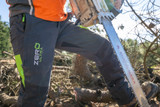
If you’ve worked a wildfire job site, you know it’s not just about cutting efficiently. It’s about staying safe in unpredictable, high-risk conditions. Wildland tree work demands protective gear that goes beyond the standard. It has to handle extreme heat, rough terrain, and long hours without failure.
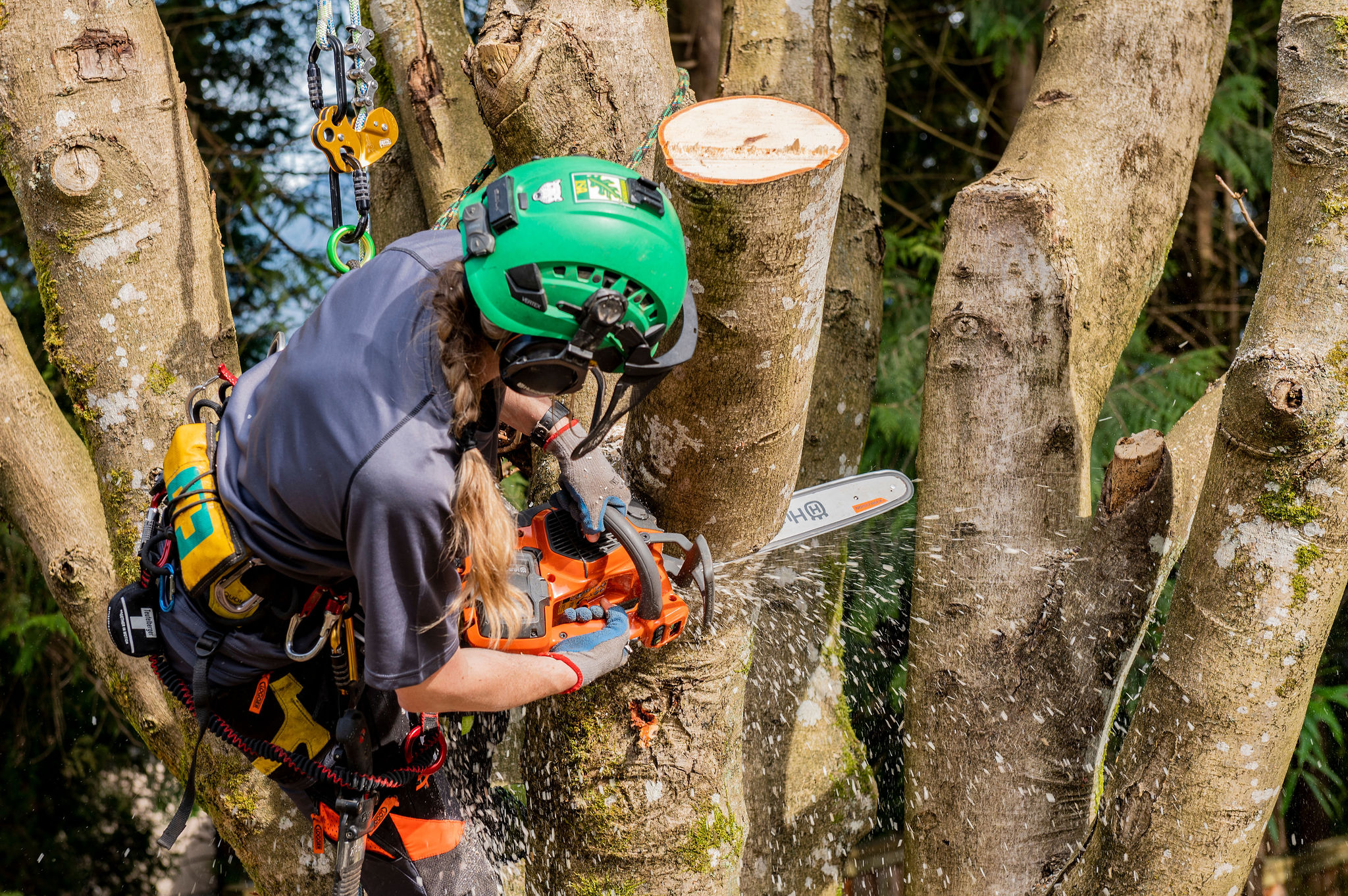
At Clogger, we’ve worked with wildfire crews, utility arborists, and forestry contractors across the western United States. We’ve seen firsthand how the wrong gear can lead to serious consequences — and how the right fire-resistant chainsaw pants can make all the difference.
In this guide, we’ll break down why fire-resistant chainsaw pants are essential, what features to look for, and how to choose the right pair if you’re working in or near fire-prone zones.
Why Fire-Resistant Chainsaw Pants Are Essential in Wildland Settings
1. Protection Against Two Major Threats
Fire-resistant chainsaw pants are designed to do two things exceptionally well:
- Stop a chainsaw chain on contact using high-tensile fibers like Kevlar or Arrestex HP.
- Resist flames and high heat through the use of fire-retardant fabrics like Nomex or Proban.
When you're felling hazard trees during mop-up, or working near active burn zones, having pants that can stand up to both sharp tools and intense heat is critical.
2. Built to Meet U.S. Safety Standards
The best fire-resistant chainsaw pants meet industry standards for both chainsaw and fire protection. Look for:
- ASTM F1897 (U.S. standard for leg protection from chainsaws)
- NFPA 2112 (U.S. standard on flame-resistant garments for protection of industrial personnel)
- UL certification for verified product safety and performance
3. Made for High-Risk Work
These pants aren’t just for wildland firefighters. They’re ideal for:
- Utility arborists working in fire-sensitive corridors
- Forestry workers in the western and southern U.S.
- Contractors doing fuel reduction, firebreaks, and post-burn cleanup
Key Features to Look For in Fire-Resistant Chainsaw Pants
Flame-Resistant Outer Layer
These pants use materials like Nomex, Proban, or specialized fire-resistant blends that self-extinguish when exposed to flames. This helps protect the wearer from burns and reduces the risk of fabric melting into the skin.
Multi-Layer Heat Protection
Heat-resistant layers under the outer shell provide insulation from thermal exposure. Even when temperatures spike, these layers prevent heat from reaching your legs.
Lightweight and Breathable Design
Unlike older, bulky fire-retardant clothing, modern chainsaw pants use moisture-wicking, breathable materials to keep you cool and comfortable, especially in hot, dry climates like California or Arizona.
Reinforced Durability
Wildland terrain is rough. Pants with reinforced knees, thighs, and cuffs handle crawling through brush, kneeling on rock, and getting snagged on sharp edges.
Ergonomic Fit
You’ll want pre-bent knees, articulated hips, and stretch panels that allow climbing, hiking, and operating equipment without restriction. Long hours in rigid gear can lead to unnecessary fatigue.
How to Choose the Right Fire-Resistant Chainsaw Pants
Step 1: Know Your Work Environment
- Wildfire Zones: Focus on lightweight, breathable, and fully flame-resistant pants.
- Utility Work Near Fire Risk: Look for options that combine chainsaw and arc-flash protection
- Forestry in Fire-Prone States: Choose durability, mobility, and all-day comfort.
Step 2: Verify Certifications
Look for pants with these marks:
- ASTM F1897 for chainsaw protection
- NFPA 2112 or 2113 for flame resistance
- UL or CE certification to confirm independent testing
Step 3: Consider Comfort Features
Wildland conditions are hot and exhausting. Choose pants with:
- Moisture-wicking lining
- Ventilation panels
- Adjustable waistbands
- A lightweight profile that reduces overheating
Proper Care and Maintenance
Fire-resistant gear only works when it’s properly cared for. Here are basic care instructions for most FR chainsaw pants:
- Wash in cold water using mild detergent
- Avoid bleach, softeners, or high heat drying as they can damage FR properties
- Air dry or tumble dry on low heat
- Inspect regularly for fraying, tearing, or delamination. Replace if any layers are compromised
FAQs About Fire-Resistant Chainsaw Pants
Are these pants heavy?
Modern fire-resistant chainsaw pants are designed to be as lightweight as possible without sacrificing safety. Many weigh less than traditional FR overpants.
Can I use these pants outside of wildfire zones?
Absolutely. They’re ideal for any work involving chainsaws, especially in dry regions where fire risk is elevated.
How long does the flame resistance last?
With proper care, most FR fabrics maintain their protective qualities for the lifetime of the garment. Frequent high-heat washing or improper care can reduce effectiveness.
Are they more expensive than regular chainsaw pants?
Yes, but they provide dual protection. The added safety and durability make them worth the investment in high-risk environments.
Do I still need full PPE?
Yes. Pants are just one part of your protective system. Always wear a helmet, gloves, boots, and upper-body FR protection when needed.
Why Clogger Fire-Resistant Chainsaw Pants Are Built for the U.S. Wildland Worker
At Clogger, we’ve spent over a decade working with arborists and forestry professionals across wildfire-prone states. Our Zero FR and DefenderPro FR chainsaw pants are built with feedback from real U.S. crews on the ground.
What Sets Clogger Apart:
- Certified flame-resistant materials
- Lightweight, breathable construction for extreme heat
- Chainsaw strike protection that meets U.S. and international standards
- Designed for comfort, mobility, and durability in harsh conditions
If you work around fire, your pants should work as hard as you do. Don’t compromise. Choose chainsaw pants that protect you from more than just saws.
Explore fire-resistant chainsaw pants at goclogger.com