Why Snake Safety Matters in the U.S.
Every year in the United States, thousands of people encounter snakes while working, hiking, or simply enjoying their backyard. While most of these encounters are harmless, a significant number lead to injuries. According to the Centers for Disease Control and Prevention (CDC), between 7,000 and 8,000 people are bitten by venomous snakes in the U.S. each year. Of those, an average of five to six deaths occur annually.
That number might sound small, but the impact of non-fatal bites is serious. Victims often face long hospital stays, expensive anti-venom treatments, and lasting tissue damage. The average hospital bill for a venomous snakebite in the U.S. can exceed $150,000, even with insurance.
For gardeners, landscapers, hikers, and groundskeepers, this is more than just a statistic. It’s a real occupational and lifestyle risk. Whether trimming along a fence line in Texas, hiking in Arizona, mowing a golf course in Florida, or working in California vineyards, the possibility of crossing paths with a rattlesnake or copperhead is always there.
That’s why awareness and proper protective gear like snake gaiters are becoming essential across the country.
Where Encounters Happen Most
Snake encounters aren’t confined to the wilderness. In fact, many take place in spaces where people feel relatively safe.
- Gardens and Yards – Homeowners clearing weeds or cutting grass often stumble upon snakes hiding in mulch beds, tall grass, or woodpiles. Southern states like Georgia, Alabama, and Texas see frequent backyard rattlesnake and copperhead encounters.
- Hiking Trails and Parks – The U.S. has more than 200,000 miles of hiking trails, according to the American Hiking Society. Trails in Arizona, Colorado, and New Mexico are especially prone to rattlesnake sightings.
- Worksites and Grounds Maintenance – Landscapers and groundskeepers are among the most at-risk groups. Trimming grass, working near fence lines, or clearing brush puts them right where snakes tend to hide.
- Agricultural Land – Farms, vineyards, and orchards provide perfect cover for snakes, especially where irrigation systems, barns, and piles of debris are present.
Seasonal Snake Risks
Snake activity in the U.S. changes with the seasons. Understanding when and why snakes are more active helps reduce risk.
- Spring – As temperatures warm, snakes emerge from winter brumation (a reptile form of hibernation). This is when they are hungry and more active. Gardeners pulling weeds or crews starting spring landscaping often have surprise encounters.
- Summer – Hot months bring peak activity, especially in the South and Southwest. Rattlesnakes and cottonmouths are often found near water sources, while copperheads blend into leaf litter and shaded spots.
- Fall – Snakes prepare for cooler months by seeking shelter in woodpiles, compost heaps, and under debris. Groundskeepers often find them while clearing leaves or maintaining trails.
- Winter – In northern states, snake activity slows down, but in milder climates like southern California, Texas, and Florida, snakes remain active year-round. This makes PPE essential even in cooler months.
Regional Breakdown – Snakes Across the U.S.
Snake hazards vary widely across the U.S., depending on the region.
- Southwest (Arizona, New Mexico, Nevada, Texas)
Known for Western Diamondback Rattlesnakes, Mojave rattlesnakes, and sidewinders. Encounters are common on trails and desert landscapes.
- Southeast (Florida, Georgia, Alabama, Carolinas)
Home to cottonmouths (water moccasins), Eastern diamondbacks, and coral snakes. These thrive in humid, swampy environments.
- Midwest (Kansas, Missouri, Oklahoma)
Copperheads and timber rattlesnakes are common, especially in wooded or rocky areas.
- West Coast (California, Oregon, Washington)
California has over 30 snake species, including rattlesnakes common in vineyards, hiking areas, and even suburban backyards.
- Northeast (New York, Pennsylvania, New England)
Fewer venomous species, but timber rattlesnakes still appear in forested mountain areas.
Each region has its own risks, but the takeaway is the same: snakes can appear anywhere there is tall grass, debris, or warm hiding spots.
Who’s at Risk
Snake encounters can affect anyone, but certain groups are more exposed:
- Gardeners & Homeowners – Snakes love woodpiles, mulch beds, and tall grass. Simple yard work can put you at risk.
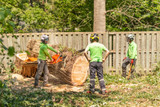
- Landscapers & Grounds Crews – Professionals trimming, mowing, or clearing debris are among the most frequent snakebite victims.
- Hikers & Outdoor Enthusiasts – With millions hiking annually, accidental encounters are inevitable.
- Farmers & Vineyard Workers – Agricultural settings provide ideal hiding places.
- Construction & Utility Workers – Working around foundations, ditches, and pipelines often disturbs snake habitats.
Traditional Protection vs. Modern PPE
When it comes to leg protection, people often think of snake boots. While they offer solid coverage, they have drawbacks:
- Heavy and uncomfortable in hot weather
- Limited flexibility for kneeling or climbing
- Expensive compared to gaiters
Snake gaiters, on the other hand, are:
- Lightweight and breathable
- Easy to slip on over work boots
- More affordable and versatile
- Cover exactly the areas most at risk: shins and calves
This makes gaiters a practical choice for landscapers and hikers alike.
Why Snake Gaiters Work
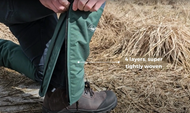
Clogger’s Snake Safe Gaiters are designed specifically for U.S. conditions. Built with a tough outer shell, they stop fangs and deflect debris. Yet they remain lightweight and breathable so workers and hikers can wear them all day.
Features include:
- Adjustable straps for a secure fit over boots
- Durable fabrics that withstand heat and rugged terrain
- Protection tested against common U.S. snake strikes
For landscapers working in states like Texas or Florida, where snake activity is high, these gaiters provide confidence and safety.
Clogger USA’s Role
Clogger has a long history of designing PPE for tough outdoor jobs. Their Snake Safe Gaiters are tested in real U.S. environments — from the deserts of Arizona to the wetlands of Florida.
Clogger believes safety gear should not just protect, but also be comfortable enough to wear every day. That’s why they designed gaiters that landscapers, hikers, and groundskeepers actually want to use.
You can learn more about Clogger Snake Safe Gaiters at Clogger USA.
Practical Safety Tips
Even with the best gear, awareness is key. Here are habits every outdoor worker or hiker should practice:
- Watch where you place your hands and feet, especially near logs, rocks, or tall grass.
- Use tools to move debris instead of reaching blindly.
- Wear protective gear, including snake gaiters and gloves.
- Stay alert on trails, especially in snake-prone states.
- If bitten, remain calm, call 911 immediately, and avoid “home remedies.”
Closing / Call to Action
Snake safety isn’t just about avoiding bites — it’s about being prepared so you can keep working, hiking, or enjoying the outdoors with confidence.
For U.S. gardeners, landscapers, and hikers, lower-leg protection is one of the smartest investments you can make. Clogger’s Snake Safe Gaiters provide lightweight, breathable protection built for American conditions.
Don’t wait until a close call happens. Equip yourself with gear that lets you focus on the job or the trail, not on what might be hiding in the grass.
Learn more and shop Clogger Snake Safe Gaiters at Clogger USA.