Clogger Answers, episode 1. We asked Phil, a professional arborist from Invercargill, New Zealand, to answer the chainsaw questions people search for most. Straight answers from someone who runs a saw every day. Watch the full episode below, or jump to the question you need.
Free: Phil's one-page chainsaw troubleshooting checklist
Jump to a question
- Why were chainsaws invented? (0:00)
- Why won't my chainsaw start? (0:17)
- Which way does the chain go on? (0:44)
- My chainsaw is sharp but won't cut. Why? (1:11)
- Why is my chainsaw smoking? (1:43)
- Why does my chainsaw cut crooked? (2:13)
- How tight should the chain be, and why does it keep coming off? (3:15)
- Can I use motor oil instead of bar oil? (3:44)
- Why does my chainsaw bog down when I give it gas? (4:15)
- Where is my bar oil going? (5:23)
- How do I know the chain is actually blunt? (6:06)
- Can a chainsaw cut through a nail? (6:25)
- What fuel mix, and is premix worth it? (6:45)
- How long should a chain last? (7:31)
- Battery or gas? (8:15)
- Stihl or Husqvarna? (8:48)
Why were chainsaws invented?
For childbirth, believe it or not. "Don't ask me how," says Phil. "Pretty gross, but safe, apparently." The first chainsaws were surgical tools, developed by two Scottish doctors in the late 1700s, long before anyone used one on a tree. Watch at 0:08
Why won't my chainsaw start?
Check the simple things first: is there fuel in it, and are you using the correct starting procedure? If it sat all winter with gas in it, it may need to go to the shop. A hot start on a cold saw won't work either. "With a bit of fresh gas, you'll be right." Read the full answer · Watch at 0:17
Which way does the chain go on?
Looking down from the top of the saw, the teeth should face forward. If the sharp edge faces back toward you, the chain is on backwards. And if you're not sure, Phil's advice is to take a chainsaw course first. Read the full answer · Watch at 0:44
My chainsaw is sharp but won't cut. Why?
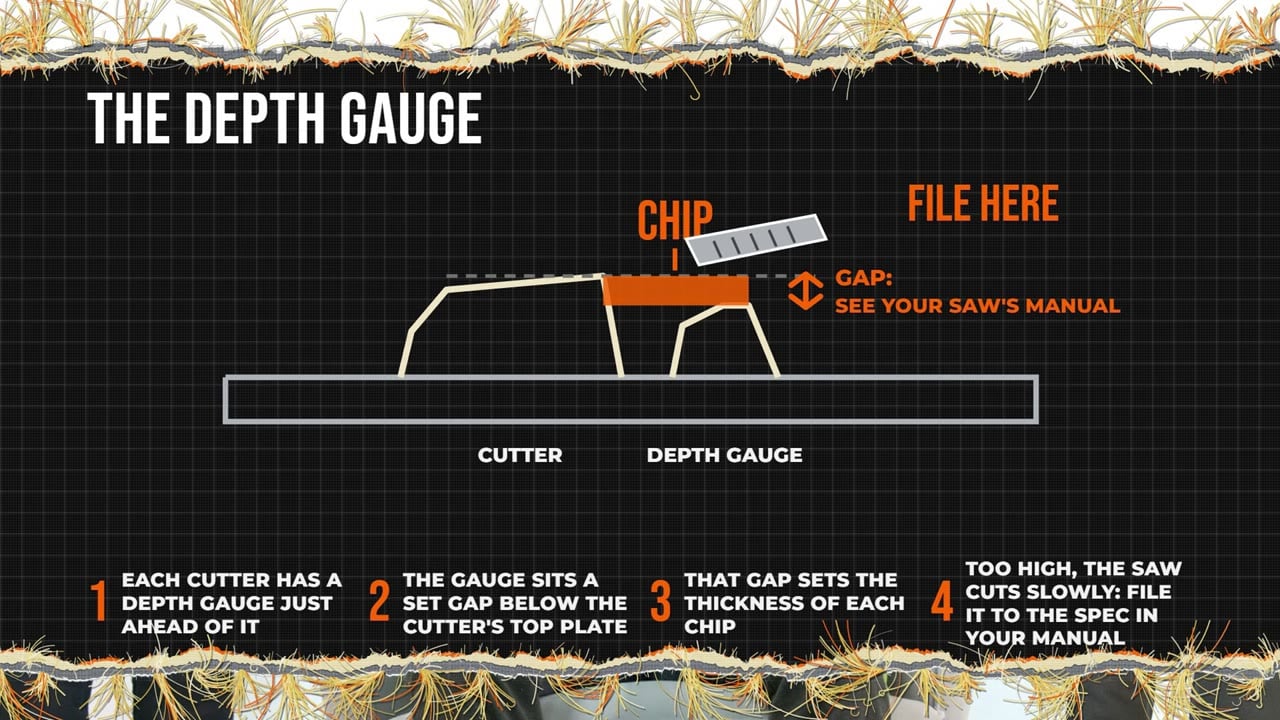
Most likely the depth gauges, also called rakers, are set too high, so the teeth can't bite into the wood. Set them to the correct depth, but don't go too low: that can increase the risk of kickback. Read the full answer · Watch at 1:11
Why is my chainsaw smoking?
Three likely causes: too much two-stroke oil in your fuel, no oil in your fuel at all ("that means your saw is toast"), or depth gauges filed too low, so the saw keeps stalling and burns out the clutch. Read the full answer · Watch at 1:43
Why does my chainsaw cut crooked?
Check your sharpening for "cows and calves" (one side of the teeth filed more than the other), check that your depth gauges are even on both sides, and check whether your bar needs dressing. Read the full answer · Watch at 2:13
How tight should the chain be, and why does it keep coming off?
Pull up on the chain with gentle pressure: you should see three drive links. Too tight wears out the end of the bar. If it keeps coming off, it's probably too loose, so check your clutch cover nuts and your tensioner. Read the full answer · Watch at 3:15
Can I use motor oil instead of bar oil?
Phil's advice is to use the bar oil your manufacturer specifies. The oiler system is delicate and needs oil of the right viscosity, and bar oil has the right temperature rating for hot or cold climates. Manufacturers will probably recommend against motor oil. Read the full answer · Watch at 3:44
Why does my chainsaw bog down when I give it gas?
Most commonly it's air or fuel. A blocked air filter stops the saw reaching full RPM: pop it off, knock it out, put it back. A carburetor problem or an air leak is a job for your dealer or saw shop. Read the full answer · Watch at 4:15
Where is my bar oil going?
A small pump inside the saw pushes bar oil out through a hole in the bar and around the chain. That keeps the chain lubricated, stops the bar and chain wearing out, and keeps you cutting smoothly. Read the full answer · Watch at 5:23
How do I know the chain is actually blunt?
Think about what you've been cutting. Rocks, dirt or anything that isn't timber will dull a chain, and even a tiny bit of dirt does it. If the saw starts to slow down in the cut, it's time to sharpen. Read the full answer · Watch at 6:06
Can a chainsaw cut through a nail?
Yes, it can, but you'll be sharpening your chain straight after. "We hit nails all the time, cutting down stumps that are part of an old fence line," says Phil. "You find all kinds of funny things in trees." Watch at 6:25
What fuel mix, and is premix worth it?
Check your saw's manual first. Phil's crew runs 50 to 1, which is 100 ml of oil in 5 liters of fuel (about 2.6 fl oz per US gallon). If you're not confident mixing it yourself, buy premix: it costs more, but you won't wreck your saw. Read the full answer · Watch at 6:45
How long should a chain last?
On Phil's crew, about a month. A homeowner who only cuts wood can get about a year out of a chain. Look for the wear line on the tie straps: once the chain is worn down to it, replace it. Read the full answer · Watch at 7:31
Battery or gas?
Both have their place. A battery saw is great for lots of small cuts up a tree. For cutting all day, it's easier to refuel than to recharge. For a homeowner doing a bit of cutting, a battery saw is fine. Read the full answer · Watch at 8:15
Stihl or Husqvarna?
Phil runs Stihl, and his reason is local support: it depends on the support base you have for a brand, and in Invercargill he uses a Stihl shop. He's used Husqvarna saws too and likes their older ones. Watch at 8:48
Full episode transcript
Everything Phil says in episode 1, from the published captions.
Intro and why were chainsaws invented?
0:00 Stihl or Husqvarna? Oh, that's gonna just grind the gears of so many people. Why were chainsaws invented? Childbirth, believe it or not. Yeah. Don't ask me how. Pretty gross, but safe, apparently.
Why won't my chainsaw start?
0:17 Why won't my chainsaw start? For one, ain't got no gas in it. First check if there's fuel in it. Are you starting it with the correct starting procedure? If it's been sitting all winter and you've left gas in it, that might have been a poor way to store it, and it now might need to go to the shop. If you're trying to hot start the saw, but it's cold, that's not going to work either. So follow the correct starting procedure, and you shouldn't have a problem. With a bit of fresh gas, you'll be right.
Which way does the chain go on?
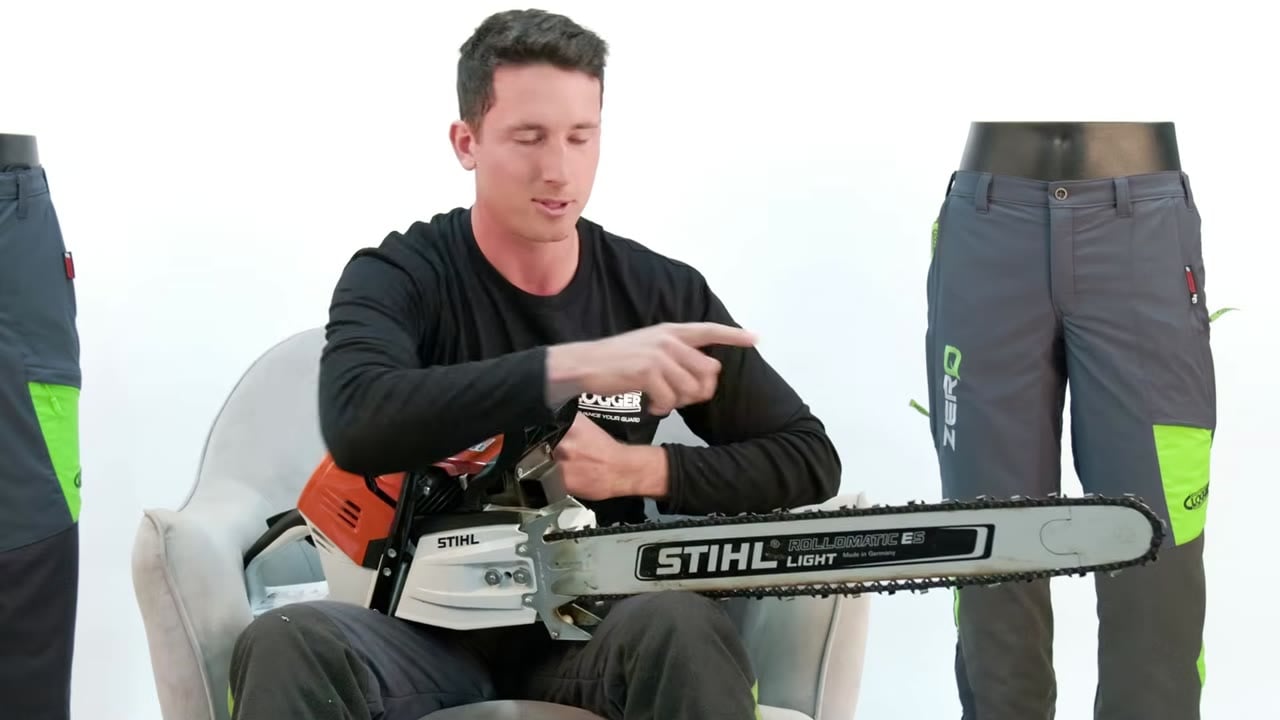
0:44 Which way does the chain go on? If you don't know, maybe take a chainsaw course first. Actually though, yeah, you probably should. Let me get a prop. Oh, look, it's beautiful. The teeth should be facing forward when you look from the top of the saw down. If they're facing back towards you, if the sharp bit's facing back towards you, then it's on the wrong way because the chain spins this way, not this way.
My chainsaw is sharp but won't cut. Why?
1:11 My chainsaw is sharp, but won't cut. Why? Most likely it's the depth gauges, or rakers as some people call them. If they're set too high, then this tooth isn't going to bite into the wood, so you need to set those at the correct depth. Don't go too low because you can increase the risk of kickback. Most chainsaw manufacturers make a depth gauge or, say Oregon, they'll have a depth gauge that's set right for the right saw. So just make sure you've got the right gear and set that to the right depth, and you'll be fine.
Why is my chainsaw smoking?
1:43 Why is my chainsaw smoking? You could have too much oil in your fuel, too much two-stroke oil in your fuel, so just make sure the mix is correct before you go and put it in your saw. Another reason is you could have put no oil in your fuel, and that'd be a really bad day because that means your saw is toast. So don't do that. Another reason might be, that you've set your rakers or depth gauges too low, and you keep stalling the saw, and you're burning your clutch out, and that'll also smoke.
Why does my chainsaw cut crooked?
2:13 Why does my chainsaw cut crooked? Firstly, check your sharpening. It could be that you've got what we would call in New Zealand cows and calves, where you've got one tooth or one side of the teeth that you've filed too much, and the other side you've filed less, so you've got big tooth, small tooth, big tooth, small tooth all the way around your chain. So one side is going to cut more if your depth gauges are even. The other reason is you could have filed your rakers, your depth gauge too much on one side, and that way that makes the bar pull through the wood, on one side more than the other, the same as having cows or calves. And I'd say the third reason is because your bar isn't dressed correctly. Now, it's probably unlikely for most people, but as a professional, we use chainsaws every day, and your bar does get worn. They make nice little bar dressing tools, or you just take it to your local shop and they'll sort it out for you.
How tight should the chain be, and why does it keep coming off?
3:15 How tight should the chain be, and why does it keep coming off? I normally like to have 3 drive links. You should be able to see 3 drive links with gentle pressure pulling up on the chain. If you don't know what drive links are, it's the bottom of the chain. Don't have it too tight, or you're going to wear the end of the bar out, and too loose, you'll see it wearing in different spots as well. If it keeps coming off, you've probably got it too loose. Check your clutch cover nuts, and check your tension is working correctly, and you should be fine.
Can I use motor oil instead of bar oil?
3:44 Can I use motor oil instead of bar oil? Manufacturers probably recommend that you don't. The saw's oiler system is pretty delicate, and there's a correct viscosity for the oil to run through your bar. So, it's recommended that you use the specified oil from the manufacturer, because it's got a correct temperature rating, especially if you live in a cold climate, or a hot one, you'll have slightly different viscosities, for your bar oil. That's what I recommend.
Why does my chainsaw bog down when I give it gas?
4:15 Why does my chainsaw bog down when I give it gas? Most commonly it would be an air or a fuel issue. If your air filter's blocked, it's not going to get enough air, so it's not going to run out to its full potential, and when you cut into wood, it's going to bog down. You'll notice it too if you're not cutting and you just run the saw out, it's not going to reach its full RPM, so you can listen, and if you're familiar with your saw, you'll know that it's not running out to the full RPMs. Alternatively, it could be that it's not getting enough fuel, maybe you've got a carburettor issue, or it could be that you have an air leak somewhere. That's a bad day. That's a definitely take it to the shop, unless you're a hardcore DIYer and you want to replace crank seals, but, I wouldn't recommend that without the right tools. So, yeah, clogged air filters, the easy one to check. Just pop it off, knock it out, put it back in, and you should be fine. If it's any of the other two, it's a little bit trickier. Could be just a tune. You'll find out if you take it to your dealer or your, local chainsaw shop.
Where is my bar oil going?
5:23 Where is my bar oil going? Great question. Do you mean where to put your bar oil? Because that would be easy. That goes in the bar oil fuel cap. Most saws have a little oil indicator somewhere, or a little stamp somewhere that'll show bar oil. But where it goes is through some funky engineering. Inside here it's got a little pump, and that pumps it out into the, on my side of the bar, and then it runs through a little hole in the bar and goes around the chain. And that keeps the chain lubricated and stops it from wearing the bar out and the chain out and keeps you cutting smoothly.
How do I know the chain is actually blunt?
6:06 Take note of what you're cutting. If you're cutting rocks or anything that's not timber, then most likely it's gonna be dull. Even a tiny bit of dirt will dull your chain. If the saw starts to slow down in the cut, then most likely you've dulled the chain somewhere, somehow, and you'll need to sharpen it again.
Can a chainsaw cut through a nail?
6:25 Can a chainsaw cut through a nail? Yes, it can. Wouldn't recommend doing it on purpose, because then you're definitely going to have to sharpen your chain again. We hit nails all the time, cutting down stumps that are part of an old fence line or something like that. You find all kinds of funny things in trees as a professional arborist.
What fuel mix, and is premix worth it?
6:45 What fuel mix, and is premix worth it? Firstly, I'd say check your specifications for your chainsaw. You should get a little booklet if you've just bought one. It'll tell you what fuel mix to put in there. And most of our saws, we run Stihl, so we use 50 to 1. So that'd be like 100 millilitres and 5 litres of fuel. If you don't know how to mix the ratios of fuel correctly, then you can buy premix. We don't use it, in the professional setting normally because it's kind of expensive. It's a lot cheaper to buy your own fuel, and a lot of guys like to use the more premium fuel in their saws. It is recommended it runs them cleaner and more efficient, so if you don't know, just buy premix because you don't want to get it wrong and wreck your saw.
How long should a chain last?
7:31 Good answer, Philip. Good answer. We got 3 left on this first lot. How long should a chain last? Normally for us, about a month out of a saw like this, and a chain, like this would be great, depending on what we're cutting, whether it's softwood or hardwood. There is on the tie straps here a little line. If you look closely at your saw, you might be able to see it. If it gets down to that point, you're just meant to replace your chain because you don't want it snapping and flying off and hitting you or something else. For a homeowner, you should get a lot longer out of a chain than a month. You should, you really only use 1 chain per year, depending on what you're cutting. Just be mindful and cut only wood, don't cut rocks or dirt, and you'll be sweet.
Battery or gas?
8:15 A battery saw or a gas-powered saw. I think both of them have their place. If you're making lots of little cuts in a tree, like we do, then it can be great, so you're not starting a chainsaw all the time in the tree. The bigger saws, the bigger battery saws, I would say they definitely use the battery quickly. So for the professional context, it's much easier to refuel a saw and keep cutting all day long than worry about having to charge your batteries. But if you're a homeowner and you're doing a little bit of cutting, a battery saw would be fine.
Stihl or Husqvarna?
8:48 Mint. All right, ooh, last one, here we go. Stihl or Husqvarna? I use Stihl. It's really dependent on what kind of support base you have for that particular brand. Here in Invercargill, I like to use a Stihl shop, so, yeah, I just run with Stihl. I'm sure Husky saws are great. I've used a couple of them. I like their older saws, but for us it's much easier here to use Stihl saws. Oh, that's gonna just grind the gears of so many people. Like, oh, you still own Husqvarna.
Closing thoughts
9:21 Remember, these are just my opinions based on my professional experience. If you've got your own ideas or think you'd do it differently, leave it in the comments below.
These are Phil's opinions, based on his professional experience. Always follow your saw's manual, and wear the right protective gear.
Got a chainsaw question? Leave it in the comments on the episode and Phil might answer it in a future episode.
Watch the full episode on YouTube · Subscribe to Clogger on YouTube
Free one-page checklist
Phil’s chainsaw troubleshooting checklist
Seven common problems, the checks a working arborist runs first, and when it’s a job for the saw shop. Print it and keep it with your saw.
About Phil
Phil is a professional arborist based in Invercargill, New Zealand, who runs saws every day with his crew.
About Clogger Answers
Clogger Answers is a video series where people who do the work answer the questions everyone is asking. Clogger makes chainsaw pants and chainsaw chaps for arborists and anyone else who runs a saw.